
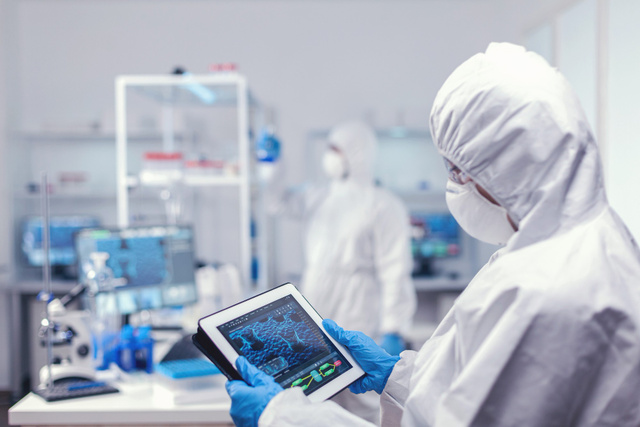
Pharmaceutical production is a very demanding production environment. You are supposed to maintain impeccable quality and comply with the stringent regulations. Not to mention maintain the work at an efficient level.
At the same time, you have to manage legacy systems and siloed teams. You also face the relentless pressure to do more with less.
Luckily, modern manufacturing software is here. It has become an effective, time-tested method of solving some of the biggest headaches that you encounter on the shop floor daily.
We discuss these challenges and how software helps.
Table of Contents
Disconnected Data and Siloed Teams
In most pharma plants, critical information resides in too many places:
- Paper logs
- Spreadsheets
- Emails
- MES
- ERP
- Standalone tools, etc.
This is because teams operate in isolation. As a result, production might not see the whole picture, and maintenance problems are realized late. Even worse, handing over shifts is based on tribal knowledge instead of facts.
Pharma manufacturing software provides a single source of truth for:
- Production data
- Quality events
- Deviations
- KPIs.
Hence, all teams operate on the same information. You will have real-time visibility across shifts, departments, and even locations. This eliminates miscomprehension. It also speeds up the decision-making process.
Paperwork Processes that Slow You Down
Many pharma manufacturing facilities still use paper-based documentation and manual data entry. These bring many disadvantages like:
- They are tedious
- They are prone to errors
- They frequently delay batch release
- They make audits difficult
- They frustrate both operators and supervisors.
Digital manufacturing software substitutes manual logs with organized real-time data capture. As a result, entries are:
- Time-stamped
- Traceable
- Auditable by nature.
This significantly minimizes human error. In addition, it liberates your teams to do work that adds value as opposed to paperwork.
Compliance Pressure and Audit Readiness
A pharma workplace is highly regulated. All actions have to be recorded and explained. Without proper systems, preparing for an audit can be challenging. You have to constantly struggle with:
- Missing documentation
- Erratic records
- Undefined handovers.
This will easily translate to compliance risks.
GxP environment software incorporates compliance into regular operations through:
- Automated audit trails
- Access controls
- Standardized working processes.
This can ensure that you remain inspection-ready continuously and not just when an audit is announced.
Delays in Problem-solving On the Shop Floor
Time is important when there are deviations, downtime, or issues in quality. However, root-cause analysis is commonly hindered by:
- Incomplete data
- Fragmented records
- Back and forth communication.
But with digital manufacturing platforms, the problems are recorded, augmented with context, and shown in real-time. Further search and AI-enhanced insights assist you in finding patterns and solving problems more quickly. This prevents an expensive delay.
The Bottom Line
Pharma manufacturing will never be easy. But it does not necessarily have to be chaotic. Manufacturing software replaces disconnected tools and manual processes. This helps you regain control, clarity, and confidence in what you are doing.
In addition, it enhances compliance and efficiency. It facilitates an environment where your people are allowed to do their best, shift after shift, batch after batch.
Read more on our blog.